Address
304 North Cardinal
St. Dorchester Center, MA 02124
Work Hours
Monday to Friday: 7AM - 7PM
Weekend: 10AM - 5PM
Address
304 North Cardinal
St. Dorchester Center, MA 02124
Work Hours
Monday to Friday: 7AM - 7PM
Weekend: 10AM - 5PM

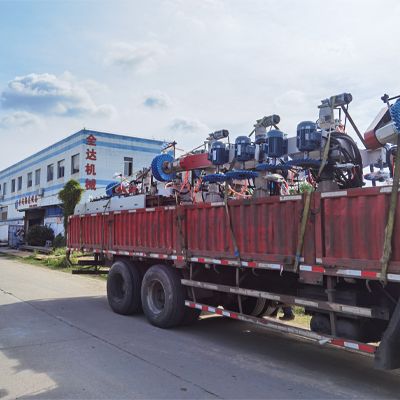
For every metal manufacturer, polishing machines are more than just tools — they’re the heartbeat of surface finishing production. Whether you use robotic workstations, CNC multi-axis systems, or tube polishers, the performance and reliability of these machines directly determine your production efficiency, product quality, and operational costs.
At JiangMen Quanda Machinery Manufacturing Co., Ltd., we have more than 20 years of experience designing and manufacturing automatic polishing machines. Over the years, we’ve discovered that even the best machines need consistent care and proper maintenance to deliver long-lasting performance.
In this comprehensive guide, we’ll share practical, factory-tested maintenance advice to help you maximize the lifespan and efficiency of your polishing equipment.
A polishing machine operates under constant friction, vibration, and dust exposure. Over time, without proper maintenance, even a high-end unit may experience:
Routine maintenance is not just about preventing breakdowns — it’s about ensuring stable, precise, and efficient production every single day. In Quanda’s experience, factories that implement a proper maintenance schedule extend equipment lifespan by up to 30–40% and reduce production interruptions significantly.
Daily checks take only a few minutes but make a huge difference in the long run. Here’s what our engineers recommend:
After each shift, remove all polishing dust, metal debris, and used compounds. Dust buildup can block air vents and cause motors to overheat. Clean both the machine surface and the surrounding workspace regularly.
Inspect for wear, cracks, or uneven surfaces. Replace consumables before they are overly worn, as damaged wheels can produce inconsistent polishing results or even cause vibration.
Ensure all moving parts, such as spindles, bearings, and guide rails, are properly lubricated. Use only the manufacturer-recommended lubricants to avoid residue build-up.
If your polishing machine uses compressed air or cooling liquid, check for leaks, proper pressure levels, and sufficient fluid flow. Stable air and cooling are key to achieving consistent polishing quality.
Inspect electrical cables and control panels for signs of wear, loose connections, or overheating. Preventing electrical issues early can avoid costly repairs later.
Once a week, take time to perform deeper inspections and adjustments to keep your machine running smoothly.
Check all clamps, holders, and jigs for proper alignment. Loose fixtures can lead to vibration or uneven polishing. Tighten bolts and nuts where needed.
Review the transmission system for tension, wear, and lubrication. Replace belts or chains showing visible signs of fatigue or elongation.
Automatic polishing systems often include sensors to detect position, pressure, and motion. Dust or debris on these sensors can interfere with performance. Use dry air or a soft cloth to clean them carefully.
For CNC or robotic systems, regularly back up your polishing programs and settings. This ensures quick recovery in case of unexpected power loss or system reset.
Once a month, dedicate time for a thorough maintenance session to preserve your equipment’s long-term accuracy and performance.
Check for abnormal sounds, excessive heat, or vibration during operation. If any irregularity occurs, stop the machine immediately and consult the manufacturer or a technician.
Over time, bearings can loosen or wear out. Measure the runout of spindles and adjust or replace bearings if necessary to prevent quality issues.
Efficient dust removal not only protects workers but also extends machine life. Inspect filters, ducts, and fans, and clean or replace them to maintain proper airflow.
Check relays, fuses, sensors, and connections inside the control cabinet. Ensure that no moisture or oxidation is present.
For CNC and robotic systems, perform calibration tests. Ensure the tool path matches the programmed coordinates to maintain consistent results.
At Quanda Machinery, we recommend a simple preventive maintenance schedule for all customers:
| Frequency | Maintenance Task | Purpose |
|---|---|---|
| Daily | Cleaning, visual checks, lubrication | Prevent wear and overheating |
| Weekly | Alignment, transmission checks, sensor cleaning | Maintain accuracy and stability |
| Monthly | Deep inspection, calibration, dust system cleaning | Extend lifespan and ensure reliability |
| Quarterly | Replace consumables, detailed electrical testing | Keep production safe and efficient |
| Annually | Full system overhaul and performance audit | Guarantee long-term productivity |
Following this routine helps prevent unexpected downtime, ensures consistent polishing results, and minimizes repair costs.
Even well-maintained machines can face occasional issues. Here are the most frequent problems we see—and how to avoid them:
Possible Cause: Worn or misaligned polishing wheels.
Solution: Replace or re-balance the wheel; check fixture alignment.
Possible Cause: Loose components or unbalanced spindles.
Solution: Tighten all mechanical connections and ensure equal pressure distribution.
Possible Cause: Clogged dust vents or poor lubrication.
Solution: Clean the machine thoroughly and apply appropriate lubricants.
Possible Cause: Software errors or sensor malfunctions.
Solution: Recalibrate sensors and reload backup programs.
Quanda’s service team provides remote troubleshooting and on-site technical support to help customers quickly identify and resolve these issues.
Even the best maintenance plan can fail if operators lack proper training. A well-trained operator can detect problems early, operate machines safely, and optimize performance.
At Quanda Machinery, we offer operator training programs that cover:
This not only helps prevent accidents but also improves polishing consistency and efficiency across production shifts.
All machines from JiangMen Quanda Machinery Manufacturing Co., Ltd. are backed by our Best Warranty policy and lifetime technical support. We maintain a ready stock of spare parts to ensure fast delivery and minimal downtime.
Our after-sales services include:
We believe that great service is as important as great machinery — it’s the foundation of long-term customer trust.
The next generation of polishing equipment will go beyond manual maintenance. Intelligent sensors and IoT systems are already enabling:
At Quanda Machinery, we are developing smart systems that record machine data, analyze usage patterns, and help customers plan service intervals more efficiently — keeping production running smoothly with minimal interruption.
Your polishing machines are an investment — not just in equipment, but in your factory’s reputation for quality and efficiency. With regular maintenance and proper care, they can deliver years of reliable, high-performance operation.
At JiangMen Quanda Machinery Manufacturing Co., Ltd., we don’t just build polishing machines; we help our customers achieve sustainable, efficient, and safe production. From design and installation to maintenance and after-sales service, we stand by your side every step of the way.
If you’re looking to upgrade your maintenance strategy or explore more intelligent polishing systems, contact Quanda Machinery today.
Our experts will provide free consultation, video demonstrations, and custom maintenance checklists tailored to your production line.
Make your machines shine — and they’ll make your business shine even brighter.